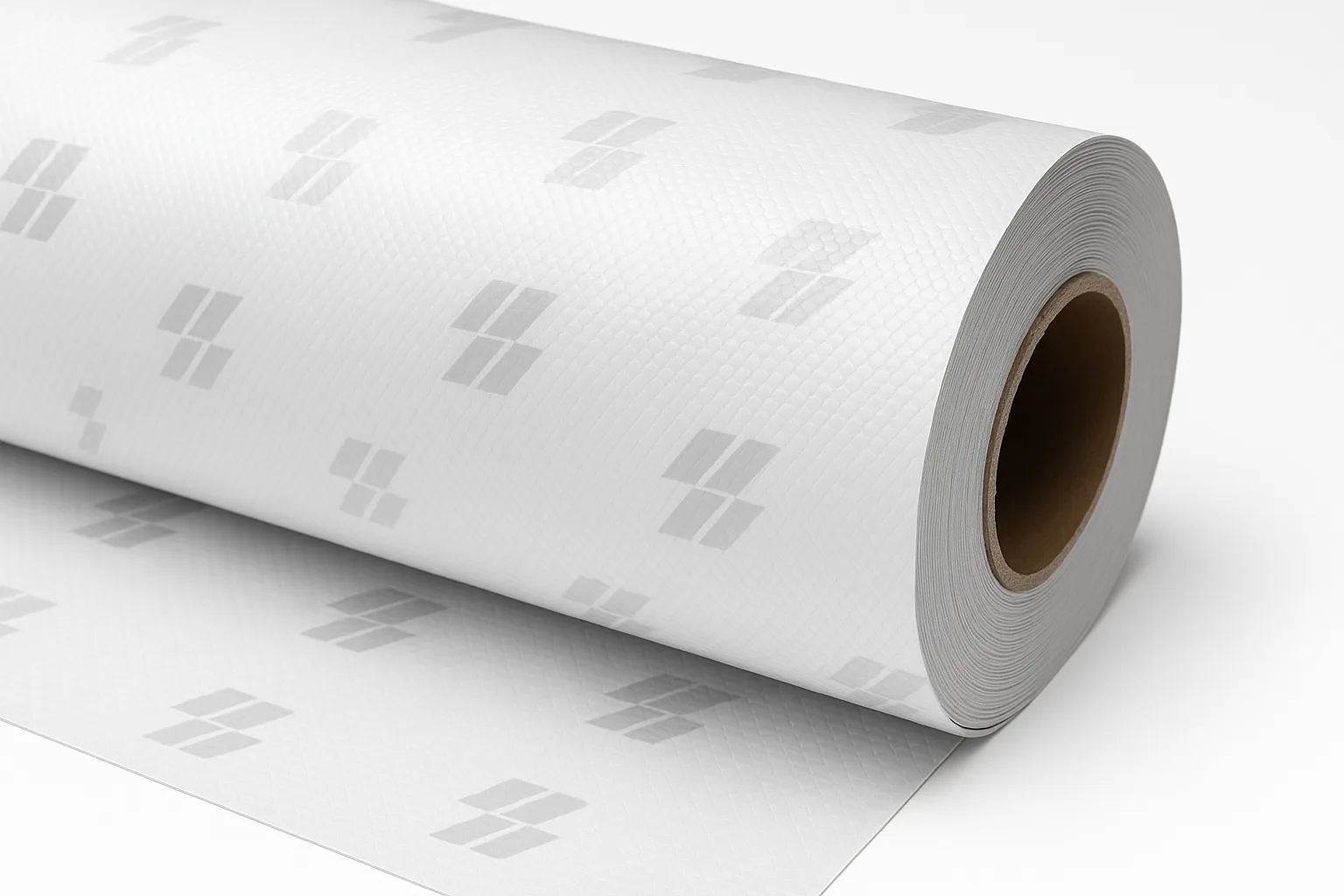
The Real Reason Contractors Default to TPO
TPO became the dominant commercial roofing membrane for one reason: price. Not performance. Not longevity. Not warranty strength. Just price.
Through traditional supply chains, PVC membranes have historically cost 30–50% more than TPO at the material level. That premium pushed contractors toward TPO as the default bid material — even when they knew PVC was the better product.
That price barrier no longer exists. Steel Skin manufactures 60 mil PVC and brings it to market at competitive TPO price points — which means the entire TPO vs PVC conversation just changed.
Here's the honest comparison you need before roofing season.
What Are PVC and TPO Roofing Membranes?
Both PVC (Polyvinyl Chloride) and TPO (Thermoplastic Polyolefin) are single-ply membranes — large sheets of synthetic material heat-welded together to create a seamless, waterproof surface on flat and low-slope commercial roofs.
They look similar on a finished roof. They install similarly. They're both white and reflective. But what's inside the membrane — and how it performs over 10, 15, and 25 years — is where the story changes significantly.
What is PVC Roofing?
PVC membranes have been used in commercial roofing for over 60 years. The material contains plasticizers that provide flexibility, chemical resistance, and long-term durability. At 60 mil thickness — the industry gold standard — PVC delivers exceptional puncture resistance, superior weld strength, and outstanding longevity. It's the membrane of choice for restaurants, industrial facilities, and any building where chemical exposure is a factor.
What is TPO Roofing?
TPO was introduced in the 1990s as a lower-cost alternative to PVC. It gained rapid market share due to aggressive distributor pricing. However, TPO's formula lacks the chemical-resistant plasticizers found in PVC — which limits its performance in demanding environments. TPO also has a significantly shorter performance history than PVC, with less long-term field data to back up manufacturer claims.
PVC vs TPO: Head-to-Head Performance
Lifespan
PVC: 25+ years when properly installed at 60 mil thickness.
TPO: 15–20 years under normal conditions. Some formulations have shown premature degradation in high-UV environments.
Contractor takeaway: A PVC roof installed this season should still be performing in 2050. TPO will likely need replacement within your ongoing client relationship — meaning you'll get the call when it fails.
Chemical Resistance
PVC: Excellent. The plasticizers in PVC create a natural barrier against grease, oils, industrial chemicals, acid rain, and biological growth. This is why PVC is the standard for restaurant roofing, food processing facilities, and chemical plants.
TPO: Poor to moderate. TPO lacks the chemical-resistant compounds found in PVC. Grease exposure — extremely common around rooftop HVAC units on restaurants and commercial kitchens — will degrade TPO membranes significantly faster than the rated lifespan.
Contractor takeaway: If you're bidding a restaurant, food service facility, or any building with rooftop kitchen exhaust, TPO is the wrong material. Installing TPO in those environments is setting yourself up for a warranty problem.
Ponding Water Coverage
PVC: Excellent. Steel Skin's 60 mil PVC warranty covers ponding water with no exclusions.
TPO: Variable. Many TPO warranties explicitly exclude ponding water damage — a serious problem given how common low-slope drainage issues are on commercial buildings.
Contractor takeaway: Read the fine print on TPO warranties before making promises to building owners about ponding water. PVC removes that conversation entirely.
Weld Strength
PVC: Superior. PVC membranes form a true chemical bond when heat-welded, creating seams that are actually stronger than the membrane itself.
TPO: Good when new, but weld strength can degrade over time as the membrane ages and the compound breaks down.
Contractor takeaway: Seam failures are one of the leading causes of commercial roof leaks. PVC's superior weld strength means fewer callbacks and stronger warranty confidence.
Cold Weather Performance
PVC: Excellent. The plasticizers in PVC maintain flexibility in sub-zero temperatures, making it easier to work with in cold-weather installations and less prone to cracking over time.
TPO: Good when new, but TPO can become brittle in extreme cold as it ages — particularly in older installations in northern climates.
Contractor takeaway: If you're working in northern states or doing late-season installations, PVC is the more reliable and easier-to-handle material.
Energy Efficiency
PVC: Energy Star rated. White PVC membranes reflect solar energy, reducing cooling costs for building owners.
TPO: Also Energy Star rated. Both materials perform similarly for energy efficiency.
Contractor takeaway: This is a genuine tie. Both materials give you the cool roof energy savings talking point with building owners.
The Cost Comparison — What Contractors Actually Need to Know
Here's where the conversation usually ends before it should.
The traditional knock on PVC is upfront price. PVC membranes have historically cost 30–50% more than TPO at the material level. That premium made TPO the default for contractors trying to stay competitive on bids.
That dynamic has changed.
Steel Skin Roofing manufactures 60 mil PVC and ships nationwide — no authorized dealer network, no locked territories, factory-direct pricing. The result is premium 60 mil PVC available at competitive TPO price points without compromising a single millimeter of performance.
Total Cost of Ownership: The Number That Actually Matters
Building owners making a 20-year roofing decision shouldn't be comparing upfront material costs. They should be comparing total cost of ownership.
A TPO roof installed today will likely need full replacement in 15–20 years. That means your client pays for two roofs over a 30-year period — materials, labor, tear-off, and disposal — both times.
A 60 mil PVC roof installed today should perform for 25+ years. Your client pays for one roof over that same period. The "cheaper" option is often not cheaper at all over the life of the building.
The Contractor Margin Advantage
When you can offer premium 60 mil PVC at competitive TPO pricing, two things happen. First, you protect your margins — you're not cutting into your labor budget to afford better materials. Second, you have a genuine upsell story that wins jobs.
When a building owner is comparing your bid against a competitor's and you can explain that your price includes 60 mil PVC with a 25+ year lifespan and ponding water warranty — versus TPO with a 15–20 year lifespan and warranty exclusions — you win that conversation.
When to Specify PVC vs TPO
Always Specify PVC For:
- Restaurants, commercial kitchens, and food processing facilities
- Industrial buildings with chemical or solvent exposure
- Buildings with known ponding water or drainage issues
- Coastal properties with salt air exposure
- Cold-climate installations
- Owners who want a long-term, low-maintenance solution
- Any job where warranty callbacks would be costly to your business
TPO May Be Acceptable For:
- Simple office buildings or retail with no chemical exposure
- Projects where budget is the absolute overriding constraint and the owner understands the tradeoffs
- Short-term ownership situations where longevity is not a priority
Why Contractors Are Switching to Steel Skin 60 Mil PVC
The commercial roofing market is already shifting. PVC's share among commercial contractors grew from 20% to 28% in 2025 alone — while TPO declined from 49% to 37%. Contractors who have been defaulting to TPO for years are reconsidering.
The reason is simple: the price barrier is gone.
Steel Skin manufactures 60 mil PVC roofing membranes and ships to contractors and distribution partners nationwide. No authorized dealer network. No exclusivity requirements. Factory-direct pricing. Just premium 60 mil PVC at a price point that works for your business.
That means better material on every job, a stronger warranty story for building owners, fewer callbacks over the life of the roof, and a genuine competitive differentiator when bidding against contractors still defaulting to TPO.
The Bottom Line
TPO became the default commercial roofing membrane because it was cheaper — not because it was better. Every contractor who has worked with both materials knows PVC is the superior product. The only thing that stopped them from specifying it on every job was price.
Steel Skin removes that barrier. Premium 60 mil PVC. Manufacturer-direct pricing. Available to any commercial roofing contractor in the US.
If you're heading into roofing season still defaulting to TPO, this is the year to reconsider.
Ready to Add 60 Mil PVC to Your Material Lineup?
Get contractor pricing from Steel Skin — at manufacturer-direct pricing, no exclusivity requirements.
Learn more about our 60 mil PVC roofing membranes or contact us for contractor pricing today.