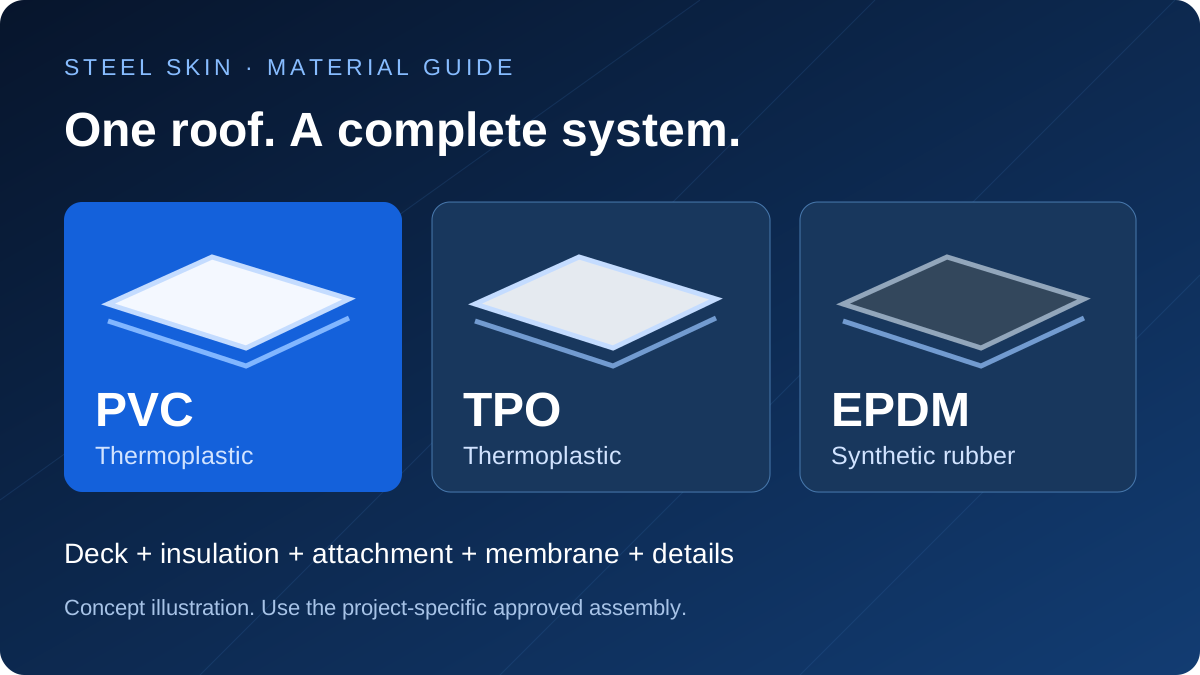
A single-ply roofing membrane is a sheet material used as the principal weatherproofing layer in a roof system. PVC, TPO and EPDM are common material families for low-slope roofs. “Single-ply” describes the membrane layer; the complete roof still needs a suitable deck, insulation, attachment, drainage and details.
PVC, TPO and EPDM: the practical differences
| Material | Family and typical seams | What to verify |
|---|---|---|
| PVC | Polyvinyl chloride thermoplastic; hot-air-welded seams | Formulation, exposure compatibility, reinforcement and system details |
| TPO | Thermoplastic polyolefin; hot-air-welded seams | Exact product, thickness, installation requirements and approvals |
| EPDM | Synthetic rubber; manufacturer-specified tapes or adhesives | Seam and flashing system, attachment, compatibility and maintenance |
Material families help narrow the search, but there is no universal winner for every building. Compare actual products and complete assemblies. Manufacturer resources illustrate the importance of product-specific documentation: see Sika's membrane range and Johns Manville's PVC systems.
What does 60 mil mean?
A mil is one thousandth of an inch. A 60 mil membrane is 0.060 inches, or 1.524 mm, thick. Thickness is one specification, not a complete ranking of durability. Evaluate reinforcement, formulation, test methods, installation quality and the requirements of the roof assembly.
Steel Skin supplies 60 mil PVC roofing membrane. Review its available test reports and match the product and measured properties to the project requirements.
Choose the complete roof assembly
Have the designer or qualified roofing contractor identify the deck, insulation, cover board, attachment method, drainage and perimeter details. Confirm applicable fire and wind requirements for the assembly and location. A membrane test result is not a substitute for the assembled system's required documentation.
- What is the existing roof and is removal or recovery proposed?
- What traffic, equipment or chemical exposure must the roof accommodate?
- Which insulation and cover board are required?
- Which attachment and flashing details are approved?
- What warranty applies, and what maintenance and exclusions accompany it?
Compare cost on equivalent scope
Compare membrane, insulation, accessories, freight and installation separately. A low membrane-only price does not establish the lowest complete project cost. Use the PVC price guide to prepare a consistent quote request.
Permanent roofing and temporary protection serve different jobs
A permanent single-ply system is designed as the building's roof. A temporary overlay covers an interim need while assessment or repairs proceed. For restoration and storm planning, use the temporary roof protection guide and Shield specifications.
Get a PVC specification and supply review
Send Steel Skin your project ZIP, area or takeoff, product requirements, component needs and schedule. Start with the product catalog, compare PVC and TPO or PVC and EPDM, then request project pricing.