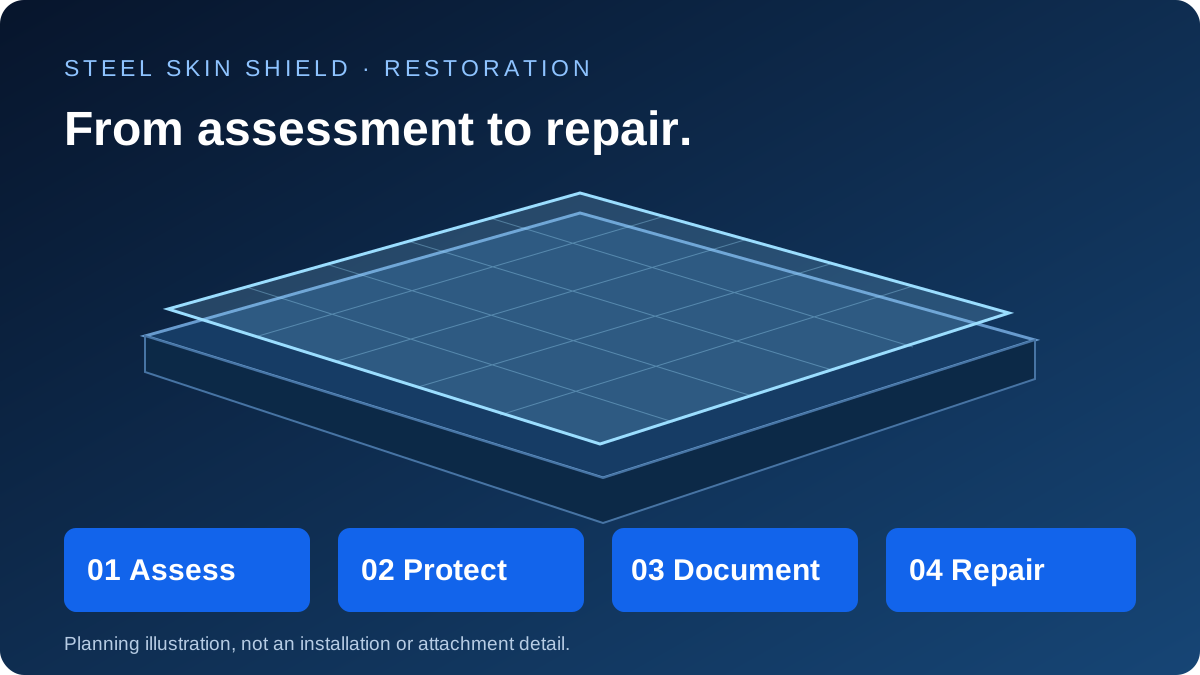
Hurricane roof protection starts with a supply and response plan. Restoration contractors need suitable temporary covering, a safe assessment process, a documented installation approach and a confirmed route to the job. A roll on order is not the same as material ready for a crew.
This checklist covers procurement and coordination. A temporary overlay does not make an unsafe structure safe, and it is not a guarantee against hurricane damage. Follow local emergency instructions and have qualified personnel assess the roof when conditions allow.
1. Separate advance preparation from emergency response
Before storm demand increases, list the buildings and roof types your team serves, the material quantities you can store, and the suppliers who can confirm stock. Record who can authorize purchases and receive freight if normal operations are interrupted.
For an active emergency, start with a local qualified response provider and material that can arrive within the actual response window. Steel Skin supplies materials; requesting a product quote does not dispatch an emergency roofing crew.
2. Match the covering to the roof and temporary-use plan
Compare a specified tarp, temporary roof membrane and any proposed permanent membrane used temporarily against the actual job. Check roof condition, dimensions, penetrations, drainage, attachment requirements, expected exposure and removal. Thickness alone does not answer those questions.
Steel Skin Shield is a reinforced PVC temporary overlay with a clear option for keeping covered conditions visible. Read the Shield product specification and confirm suitability for the planned installation. Do not assume a temporary material has the same assembly approvals as a permanent roofing system.
3. Build a complete material request
- Project ZIP, site access and receiving contact.
- Measured roof area and a sketch identifying edges, penetrations and separate roof sections.
- Desired covering, roll dimensions and the installer-approved layout.
- Seam, attachment and accessory requirements confirmed for the product and roof.
- Needed-by date, planned temporary period and permanent repair schedule.
Use the coverage and delivery guide to separate gross roll area from usable job coverage. Ask your installer to account for overlaps, detailing and waste.
4. Confirm logistics before committing a crew
Steel Skin's warehouse is in Brentwood, Missouri. One-day local delivery may be available within 100 miles of St. Louis, subject to stock and order timing. Other locations can take approximately 30 days depending on destination. Request a confirmed date for your ZIP code before scheduling a crew.
For distant hurricane markets, that lead time makes advance procurement important. Get the quote, stock confirmation, dispatch date and expected arrival in writing. Identify unloading requirements and a backup receiving arrangement. Reconfirm access after a storm rather than relying on the original freight plan.
5. Plan the inspection record and follow-up
Keep dated photographs of accessible conditions before covering, the installed protection, and later inspections. Record the material, quantity, installation date and areas needing additional evaluation. A clear overlay can support visual documentation, but it cannot reveal concealed moisture or every layer of damage.
Assign responsibility for checking the temporary covering and for scheduling permanent repair. Confirm the product's exposure guidance with the supplier; do not invent a universal number of days it can remain installed.
Prepare a repeatable storm-supply process
Use the same project information for every supplier request so you can compare material, accessories, freight and timing consistently. After each job, record what was used and what caused delays. That record is more useful for the next order than an unsupported promise of universal coverage.
The National Hurricane Center's hazard guidance explains why response planning must account for dangerous conditions before hurricane-force winds arrive. Product procurement should fit the emergency plan.
Request Shield availability, project pricing and delivery with your destination ZIP, roof area, required quantity and needed-by date.