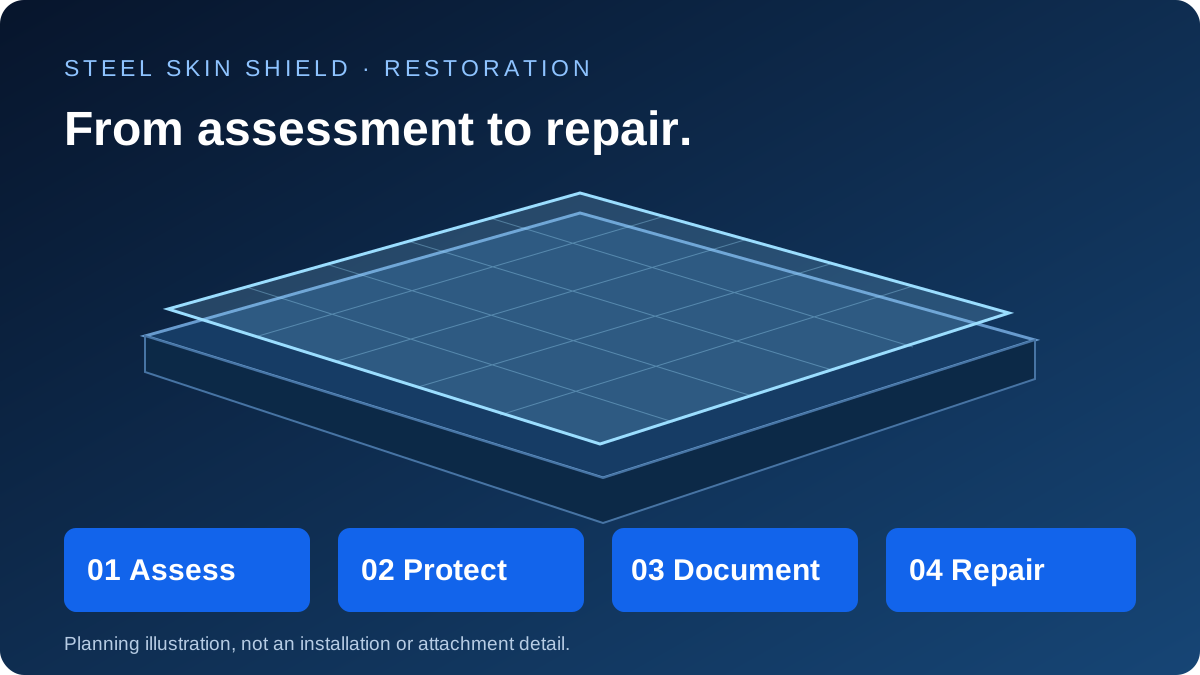
A clear temporary covering can keep covered surface conditions visible. That can help restoration teams coordinate photographs and follow-up observations while temporary protection is in place. It does not replace a roof assessment or establish what is happening below the visible surface.
What does “clear roof tarp” mean?
The search phrase can describe several different transparent sheets and coverings. Compare the actual material, reinforcement, dimensions, installation requirements and intended use rather than treating all clear products as interchangeable.
Steel Skin Shield is a reinforced PVC temporary overlay. Its clear option is intended to keep covered damage visible during the restoration process. Review the Shield product specification and confirm compatibility and installation details for the project.
Capture conditions before the covering goes on
When safe access has been established, record the date, location and roof section for photographs. Include context views and detail views, and retain the original files. Note which areas could not be accessed or inspected. Do not describe an inaccessible area as undamaged.
Record the temporary installation
Keep the product name, quantity, installer details and installation date with the project record. Photograph the completed covering and record any areas that remain outside its scope. Keep the installation plan and supplier documentation available for the team responsible for later checks.
Use visibility as one inspection aid
Dirt, glare, condensation, surface texture and lighting can affect photographs through a clear sheet. Covered layers and concealed moisture still require appropriate assessment. If an inspector needs access, coordinate it with the qualified contractor so the protection and subsequent restoration can be managed.
A clear covering does not guarantee an insurer's approval, a particular payout or acceptance of photographs. Confirm documentation requirements with the relevant project parties. Keep product performance documents separate from claims about policy coverage.
Maintain a record through permanent repair
Log follow-up observations, changes to the covering and the dates of removal or repair. Identify who is responsible for inspecting temporary protection and who schedules the permanent work. This makes the handoff clear even when different crews handle mitigation and repair.
Use the temporary covering comparison to select materials, and the coverage and delivery guide to prepare an order. For planning across multiple projects, see the contractor supply checklist.
Request Shield availability, project pricing and delivery with your destination ZIP, roof area, required quantity and needed-by date.